Study: Dietary Vitamin C Intake Linked to Firmer Skin, Increased Collagen Production
08/03/2026 / By Coco Somers
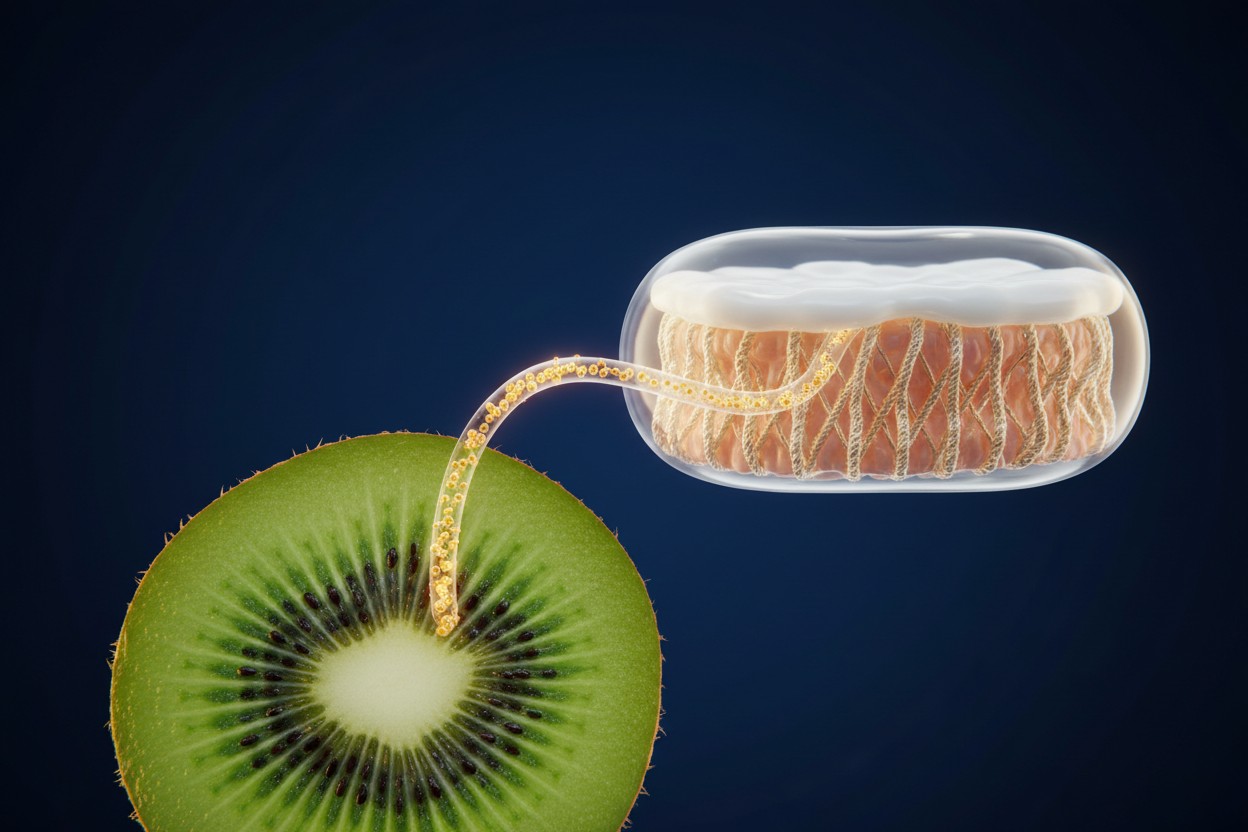
A study published in the Journal of Investigative Dermatology in July 2026 has linked dietary vitamin C intake to measurable improvements in skin thickness and cellular renewal.
Researchers from the University of Otago in New Zealand found that vitamin C consumed through food travels through the bloodstream into all layers of the skin, where it supports collagen production and skin regeneration. Lead author Margreet Vissers, PhD, a professor at the University of Otago, said in a statement that the tight correlation between plasma vitamin C levels and those in the skin was surprising. “We are the first to demonstrate that vitamin C in the blood circulation penetrates all layers of the skin and is associated with improved skin function,” Vissers said, according to reports on the study [1][2].
Study Methods and Results
The study followed 24 healthy adults who consumed two vitamin C-rich kiwifruits each day for eight weeks, according to researchers [2]. Using ultrasound technology and skin sampling, the team observed an increase in vitamin C concentration within the skin following the intervention.
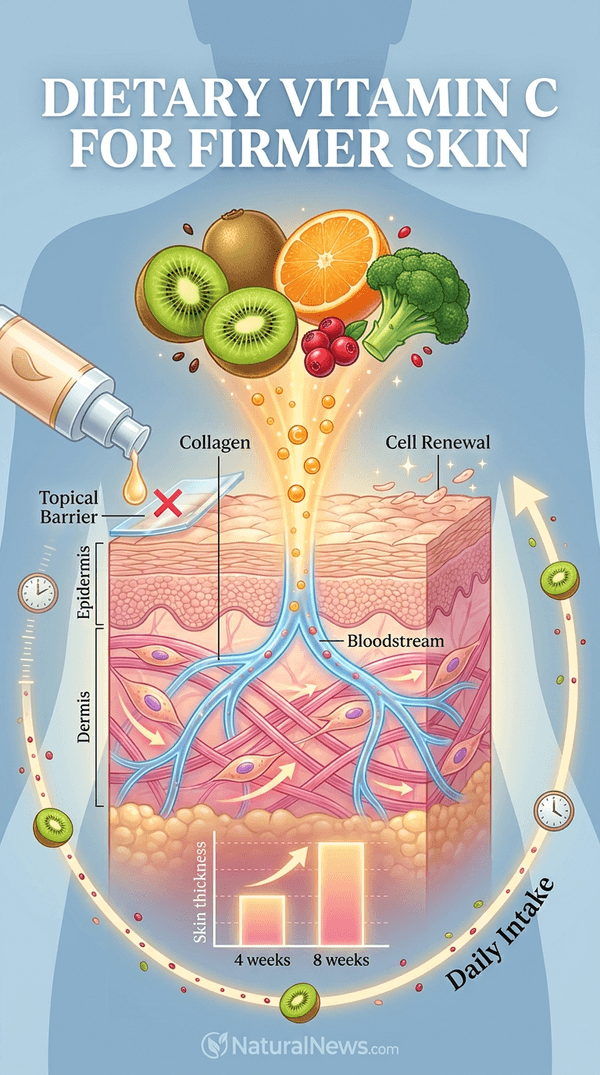
The increase was associated with thicker skin, a sign of increased collagen production in the dermal layer, and improved cellular renewal at the epidermal level, researchers reported [3]. The findings suggest that daily intake of vitamin C-rich foods can lead to structurally measurable changes in skin health within a relatively short period.
Mechanism: Dietary Versus Topical Vitamin C
Vitamin C is an essential cofactor for collagen synthesis, meaning the body cannot produce collagen without adequate vitamin C intake, according to researchers [4]. While topical vitamin C is commonly used in skin care products, it struggles to penetrate the skin’s barrier effectively, limiting its ability to reach deeper layers, the study noted.
In contrast, dietary vitamin C is absorbed through the digestive system and delivered via the bloodstream to all layers of the skin. Researchers said the skin showed a uniquely strong response to dietary vitamin C compared to other organs previously studied [1]. Vissers noted that this internal delivery mechanism may be significantly more effective for building collagen and enhancing skin cell turnover than topical application alone [3].
Dietary Recommendations and Implications
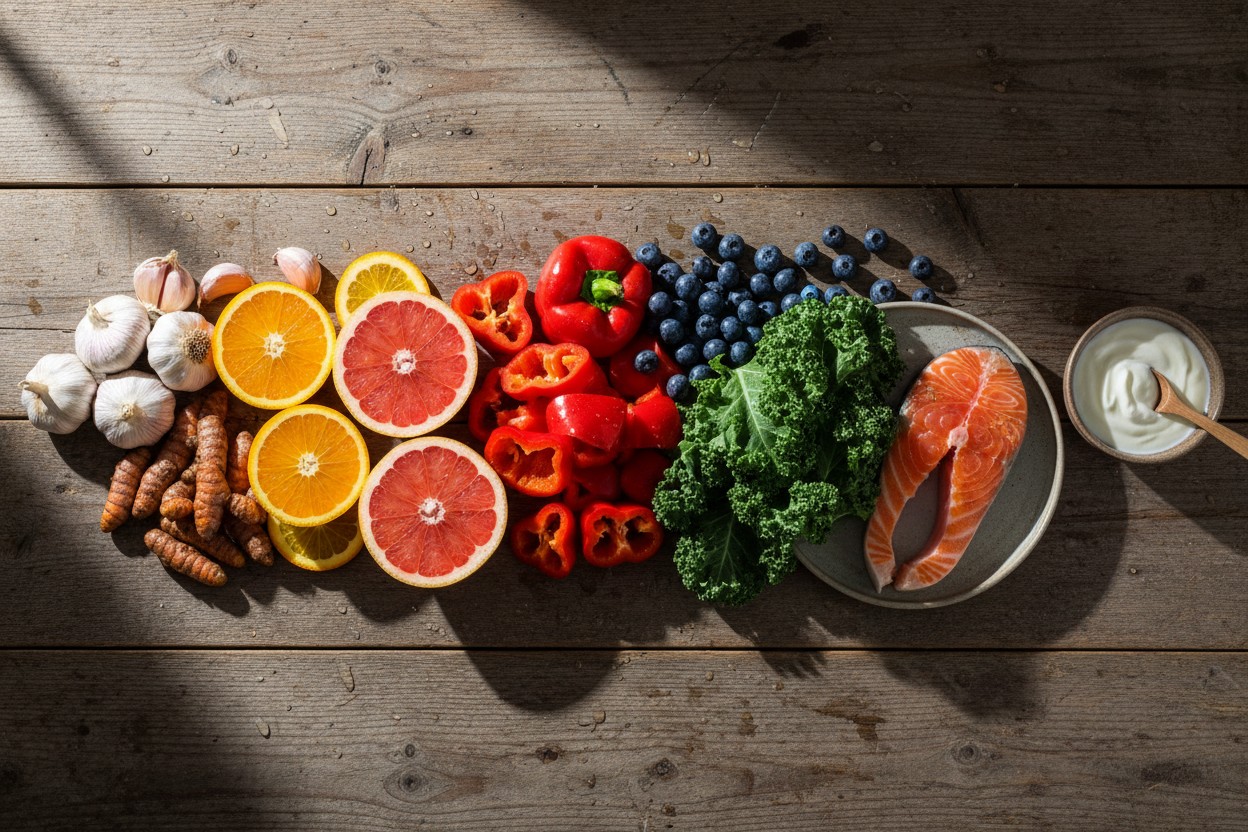
Kiwifruit was used in the study due to its consistent and measurable vitamin C content, but researchers said similar benefits are expected from other vitamin C-rich foods, including citrus fruits, berries, bell peppers, broccoli, and leafy greens [1]. According to the study team, individuals should aim for at least 250 mg of vitamin C per day to support optimal skin health.
Vitamin C is not stored long-term in the body, so blood levels rise and fall based on daily intake, researchers said [2]. For those unable to meet requirements through diet alone, vitamin C supplements or collagen products that include vitamin C may provide additional support, though researchers did not endorse any specific product or brand [5].
Conclusion
The University of Otago study adds to a growing body of evidence suggesting that skin health is closely connected to daily nutrition, researchers said. Dietary vitamin C was presented in the findings as a foundational nutritional strategy for supporting collagen production and maintaining skin firmness.
The study did not endorse any particular skin care product, cosmetic procedure, or commercial supplement. Its conclusions are based solely on the observed relationship between dietary vitamin C intake and measurable improvements in skin structure and function, as reported in the Journal of Investigative Dermatology.
References
- NaturalNews.com. “Forget the fancy creams: Your skin’s best defense is on your dinner plate.” NaturalNews.com. February 11, 2026.
- NaturalNews.com. “Study finds diet holds key to younger-looking skin.” NaturalNews.com. January 5, 2026.
- Cassie B. “Forget expensive creams: Eating vitamin C transforms skin from within, researchers find.” NaturalNews.com. January 14, 2026.
- Dr Alan Logan, Mark Rubin, Phillip Levy. “Your skin younger new science secrets to reverse the effects of age.”
- Allison Tannis. “Feed Your Skin Starve Your Wrinkles.”
Explainer Infographic
Submit a correction >>
Tagged Under:
collagen, food is mediciine, food science, Fresh, fruits, grocery cures, Kiwis, Leafy greens, natural health, natural medicine, nutrients, phytonutrients, plant medicine, remedies, Skin, skin care, skin health, topical use, vitamin C, Whole Foods
This article may contain statements that reflect the opinion of the author
RECENT NEWS & ARTICLES