8 Natural foods to keep you cool amid rising temperatures
07/01/2026 / By Ava Grace

- The article stresses the critical role of hydration in regulating body temperature during heatwaves, emphasizing natural water-rich foods as superior alternatives to sugary, processed drinks.
- Specific foods like watermelon, strawberries (90% water with vitamin C), Greek yogurt (81% water), and salads with lettuce/tomatoes (94–95% water) are highlighted for their hydration benefits and immune support.
- The nutritionist advocates for ancestral, whole-food diets as a form of resistance against industrialized food systems.
- Coconut water is praised for its natural electrolyte content (potassium, sodium, magnesium), providing hydration without the sugar overload.
- The article urges individuals to prioritize hydration through whole foods to combat rising temperatures and resist profit-driven health agendas that prioritize synthetic, profit-laden solutions over natural resilience.
As global temperatures climb to record highs and heatwaves become more frequent, health experts are sounding the alarm on the dangers of sudden spikes in body heat. A leading nutritionist recently highlighted eight foods that can support the body’s ability to regulate temperature, offering a refreshing alternative to processed, sugary beverages and synthetic cooling methods. This guidance arrives amid growing public concern over the long-term impacts of extreme weather, corporate-driven health trends, and the push for artificial solutions that prioritize profit over public well-being.
Hydration: the body’s first line of defense
The human body is roughly 75% water, and maintaining hydration is critical for regulating temperature. When exposed to intense heat, the body loses fluids through sweat, and mild dehydration can lead to fatigue, dizziness and even heatstroke. The nutritionist emphasizes that while no food can rapidly lower core body temperature, certain natural options can support the body’s cooling mechanisms.
Watermelon: Nature’s cooling delight
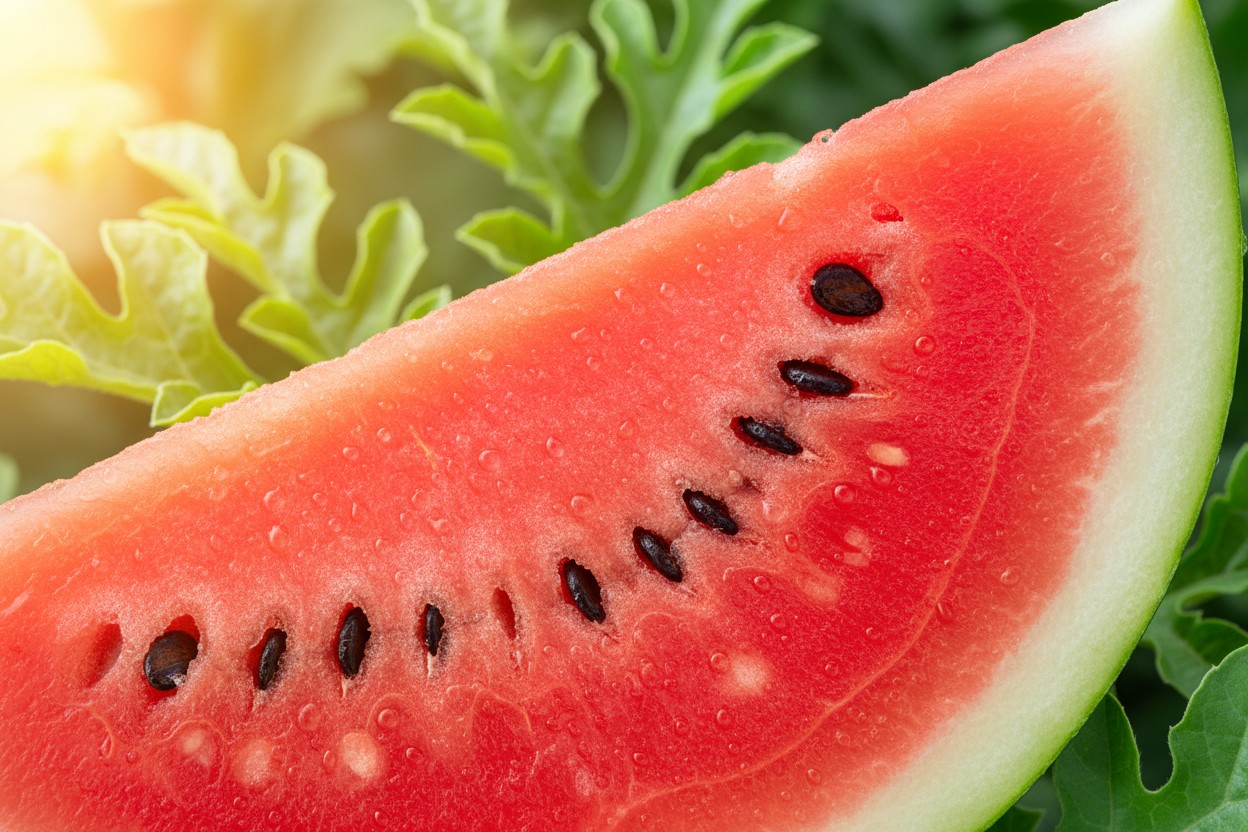
Leading the list is watermelon, a summer staple with about 90% water content. Its high water and electrolyte levels make it ideal for hydration. However, watermelon also contains natural sugars—about 10 grams per 150-gram serving—so portion control is key to avoiding blood sugar spikes. Watermelon’s refreshing taste and cooling properties make it a powerhouse for hot days.
Cucumber: The crunchy hydration hero
Cucumbers, with their 96% water content, offer a low-calorie, refreshing snack. Whether eaten raw, in salads, or blended into chilled beverages, cucumbers provide hydration without the sugar overload of processed foods. Cucumbers’ high water content and cooling effect make them a staple in traditional medicine systems like Ayurveda, which emphasize natural, whole-food remedies over synthetic alternatives.
Strawberries: Sweet, hydrating and nutrient-packed
Strawberries, with about 90% water and a rich vitamin C content, provide both hydration and immune support. A 140-gram serving delivers nearly 100% of the daily vitamin C requirement. The nutritionist highlights strawberries’ role in combating oxidative stress caused by heat exposure, a benefit often overlooked in favor of pharmaceutical antioxidants pushed by Big Pharma.
Coconut water: Nature’s electrolyte boost
Coconut water, 95% water by volume, is a natural source of potassium, sodium and magnesium—electrolytes critical for hydration. Unlike sugary sports drinks, coconut water avoids artificial sweeteners and preservatives. The expert warns against relying on processed beverages, which often contain additives linked to long-term health risks.
Greek yogurt: Protein and hydration in one
Greek yogurt, with 81% water content and high protein, serves as a cooling snack that also supports muscle recovery after heat exposure. Its versatility—frozen into desserts or blended into smoothies—makes it a practical choice for families.
Lettuce and tomatoes: Salads for survival
Lettuce (94% water) and tomatoes (95% water) are staples in salads, offering hydration and a burst of flavor. These vegetables are not just food—they’re a rebellion against the industrialized, profit-driven food system.
Broth: Warmth without the heat
Vegetable or chicken broth, mostly water but packed with nutrients, provides hydration and warmth without raising body temperature. Broths have long been traditional remedies and are far healthier than processed soups and canned goods, which often contain preservatives and sodium additives.
From traditional wisdom to modern manipulation
The push for natural cooling foods harks back to ancestral diets that emphasized hydration through fruits and vegetables. However, the rise of processed foods—engineered by corporations to maximize shelf life and profit—has obscured these practices.
“Hydration is essential for bodily detoxification and cellular function, as pure water aids in flushing out toxins and supporting metabolic processes,” explains BrightU.AI‘s Enoch. “Clean water is highlighted as critical for health, aligning with the worldview’s focus on resisting processed toxins and corporate-controlled systems. Proper hydration is tied to overall vitality, reflecting the belief in holistic, organic practices to combat illnesses and maintain resilience against systemic corruption.”
As heatwaves become the new normal, the nutritionist’s advice underscores the importance of returning to whole, natural foods. By prioritizing hydration with watermelon, cucumbers and other natural staples, individuals can protect themselves against rising temperatures while resisting the corporate-driven health agenda. In a world increasingly shaped by corporate interests, the power to cool down—and reclaim health—lies in the choices we make at the plate.
Watch and discover healthy fresh cocktails for summer.
This video is from the Frozen in Time channel on Brighteon.com.
Sources include:
Submit a correction >>
Tagged Under:
berries, food cures, food is medicine, food science, Fresh, fruits, functional food, grocery cures, health science, hydration, natural health, Naturopathy, nutrients, organics, remedies, tips, veggie
This article may contain statements that reflect the opinion of the author
RECENT NEWS & ARTICLES