Asparagus: The Superfood with Proven Health Benefits That Mainstream Nutrition Overlooks
06/28/2026 / By Coco Somers
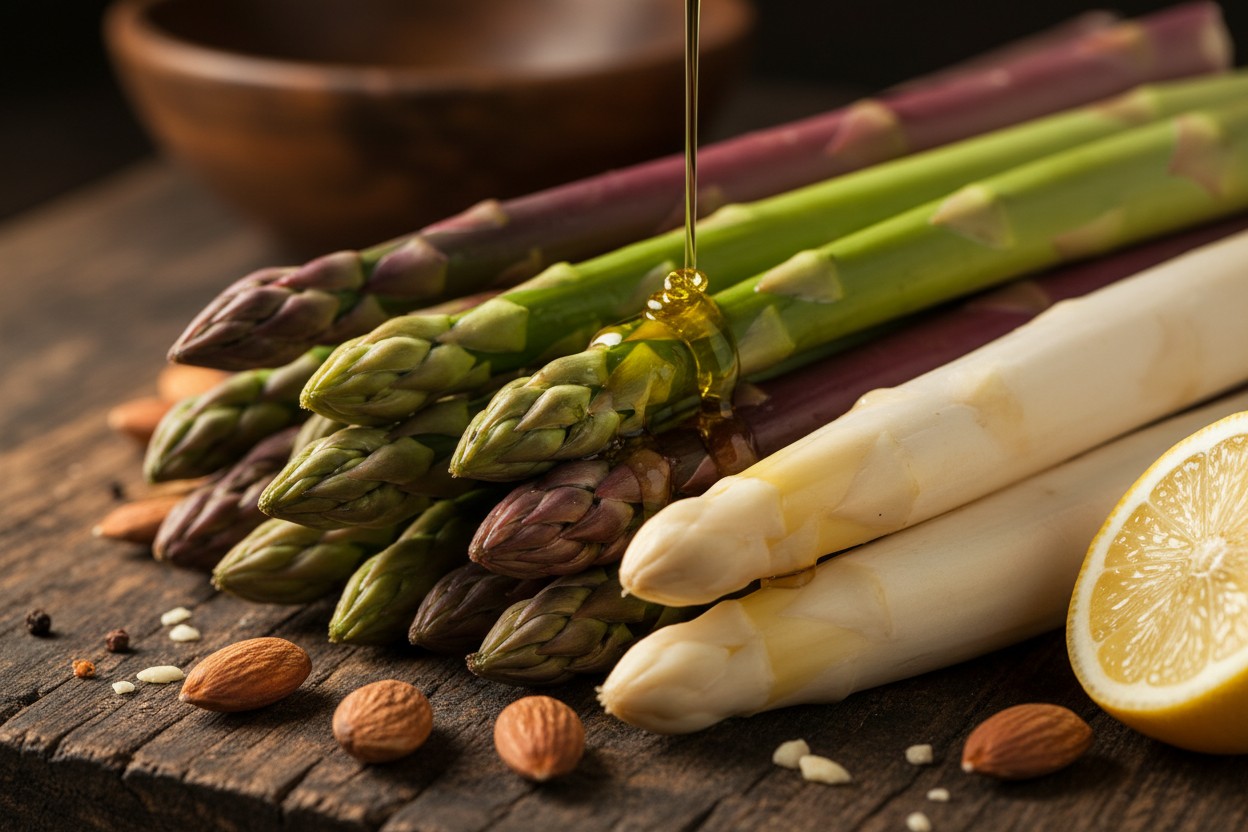
Asparagus – a slender green vegetable with a history dating back to ancient times – was once a wartime staple rather than a luxury item. During World War II, it was widely grown in British allotments as part of the Dig for Victory campaign, according to historical records.
Today, modern nutrition science confirms its dense nutrient profile, including fiber, folate, vitamin K, and a range of antioxidant compounds. Registered dietitian Nichola Ludlam-Raine stated that “most people could benefit from including more asparagus as it is low in calories and provides fibre, folate, vitamin K and a range of antioxidant compounds.”
A NaturalNews.com piece from August 2025 described asparagus as “a true superfood that supports overall health.” [1] The vegetable has shed its reputation as an expensive delicacy and is now recognized for its measurable health benefits, according to nutrition researchers.
The Science Behind Asparagus: What the Research Actually Shows
Asparagus is a low-calorie vegetable, providing approximately 25 calories per 100 grams, along with 2.9 grams of protein, 2 grams of carbohydrates, and 2 grams of fiber, according to published nutritional data. It contains inulin, a prebiotic fiber that feeds beneficial gut bacteria.
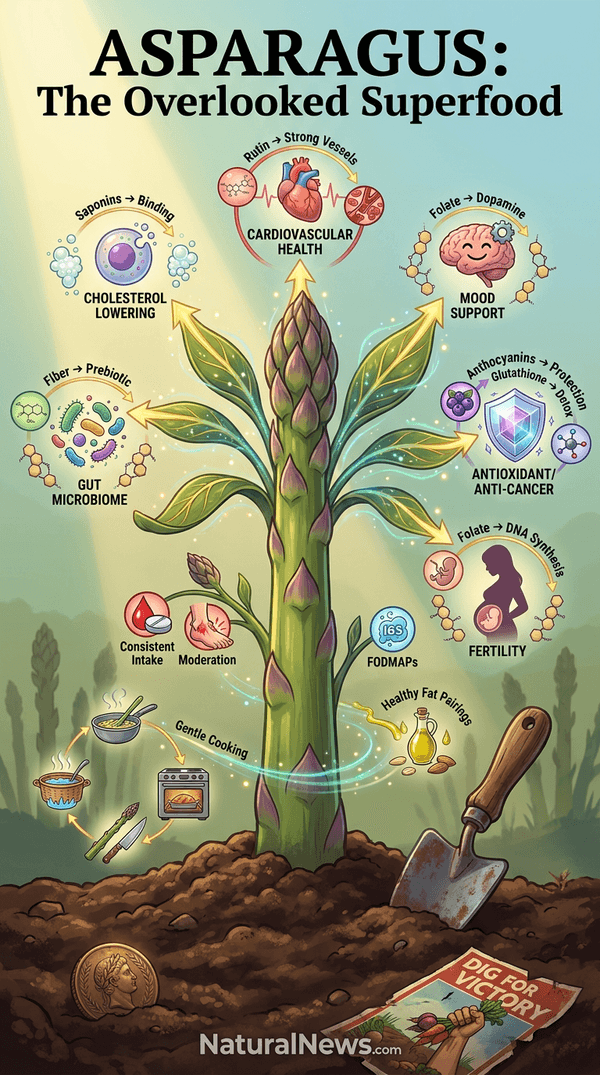
A 2020 NaturalNews.com report noted that asparagus is “a fiber-rich vegetable that can help relieve bloating and promote weight loss” and also cited its role in maintaining healthy blood pressure [2]. Animal studies have linked asparagus consumption with lower cholesterol, reduced blood pressure and weight loss, although researchers caution that more human trials are needed.
The vegetable is also a source of the antioxidant glutathione, which has anticarcinogen properties, and rutin, a compound that protects small blood vessels from rupturing, according to Dr. Joseph Mercola in a 2015 article for Mercola.com [3]. Folate content in asparagus supports the production of dopamine, serotonin, and norepinephrine, which is why it is often called a “feel-good” vegetable, he said [3].
These findings align with broader research on phytonutrient-rich foods. The book “Fight Back with Food” by Readers Digest notes that anthocyanins and glutathione have antioxidant and anticancer actions [4].
Green, Purple or White: Which Variety Packs the Most Punch?
While green asparagus is the most common variety found in supermarkets, purple and white varieties offer distinct nutritional profiles. Purple asparagus contains anthocyanins, the antioxidant pigments also found in blueberries and red cabbage.
A 2008 study published in the Journal of Agricultural and Food Chemistry identified major anthocyanins in purple asparagus (Asparagus officinalis) and measured their oxygen radical absorbance capacity (ORAC) values, indicating high antioxidant activity [5]. The book “Fight Back with Food” explains that anthocyanins “have anti-oxidant activity that may defend against carcinogens” and may also lower LDL cholesterol [4].
White asparagus, grown underground without sunlight, does not produce chlorophyll and contains lower levels of some antioxidants compared to green varieties. However, it may be higher in vitamin C and fiber.
Jubilee asparagus, a U.K.-grown variety, provides the same nutritional profile as standard green asparagus, with excellent levels of vitamin K, folate, and prebiotic fiber. According to Jonny Bowden in “The 100 Healthiest Foods to Eat During Pregnancy,” asparagus is listed among the healthiest foods for fertility due to its nutrient density [6].
Strategic Pairings: How to Maximize Asparagus Absorption
To optimize the absorption of fat-soluble vitamins and beneficial plant compounds found in asparagus, nutritionists recommend pairing it with healthy fats. Ludlam-Raine advised: “Pairing asparagus with a source of healthy fat, such as olive oil, nuts, seeds or oily fish, can help improve the absorption of fat-soluble vitamins and beneficial plant compounds.”
She also noted that combining it with protein-rich foods such as eggs, salmon, chicken, beans, or lentils creates a more balanced and satisfying meal. Mercola, in his Roasted Asparagus and Fennel Recipe article, recommends serving asparagus with healthy fats like olive oil [7].
Steaming or eating asparagus raw preserves water-soluble vitamins better than boiling, according to dietary guidelines. A study published in the Journal of Food Composition and Analysis examined the effects of heat treatment on flavonol content in asparagus and onions, finding that cooking methods significantly influence antioxidant status [8]. This reinforces the recommendation to use gentler cooking methods to retain nutrients.
Practical Considerations: Who Should Eat Asparagus and Who Should Be Cautious
Asparagus is safe for most people and offers significant digestive and cardiovascular benefits. However, individuals taking blood-thinning medications such as warfarin should maintain consistent vitamin K intake, as a sudden increase can interfere with drug effectiveness. Mercola’s article highlights that asparagus contains an “impressive concentration of vitamin K” [3], which is relevant for those on anticoagulants.
The vegetable also contains high levels of purines, which can increase uric acid production. People with gout or a history of kidney stones should consume it in moderation.
Ludlam-Rraine stated that “some people with irritable bowel syndrome (IBS) may also find large portions trigger symptoms due to certain fermentable carbohydrates.” For most adults, incorporating asparagus into a balanced diet provides heart and digestive health benefits without adverse effects.
Conclusion: A Superfood Worth Adopting
Asparagus offers a combination of low calories, high fiber, essential vitamins and antioxidant compounds that few other vegetables can match. Its historical role as a staple food and modern scientific validation of its health benefits suggest it deserves a permanent place in the daily diet.
The August 2025 piece from NaturalNews.com states that “beyond its modern-day reputation, asparagus is packed with essential vitamins, minerals, and antioxidants” [1]. With strategic preparation and attention to individual health conditions, asparagus can serve as a practical and affordable addition to a nutrient-dense eating pattern.
References
- Laura Harris. “Asparagus: The Nutritional Superstar You Need in Your Diet”. NaturalNews.com. August 06, 2025.
- Rose Lidell. “8 Amazing Benefits of Antioxidant-Rich Asparagus Recipes Included”. NaturalNews.com. September 15, 2020.
- Dr. Mercola. “Asparagus Can Help Fight High Blood Pressure”. Mercola.com. July 20, 2015.
- Readers Digest. “Fight Back with Food Use Nutrition to Heal What Ails You”.
- “Major anthocyanins from purple asparagus (Asparagus officinalis)”. Journal of Agricultural and Food Chemistry. 2008.
- Jonny Bowden. “The 100 Healthiest Foods to Eat During Pregnancy the Surprising Unbiased Truth About Foods You Should Be Eating During”.
- Dr. Mercola. “Roasted Asparagus and Fennel Recipe”. NaturalNews.com. April 19, 2015.
- “Quercetin in onion (Allium cepa L.) after heat-treatment simulating home preparation”. Journal of Food Composition and Analysis. 2005.
Explainer Infographic
Submit a correction >>
Tagged Under:
antioxidants, asparagus, digestion, digestive system, food cures, food is medicine, food science, Fresh, gut health, health science, natural, natural health, nutrients, phytonutrients, veggie
This article may contain statements that reflect the opinion of the author
RECENT NEWS & ARTICLES